1969 Volkswagen Beetle
Price:
$4,500
Stock Number:
10898
Vehicle Highlights
Exterior Color
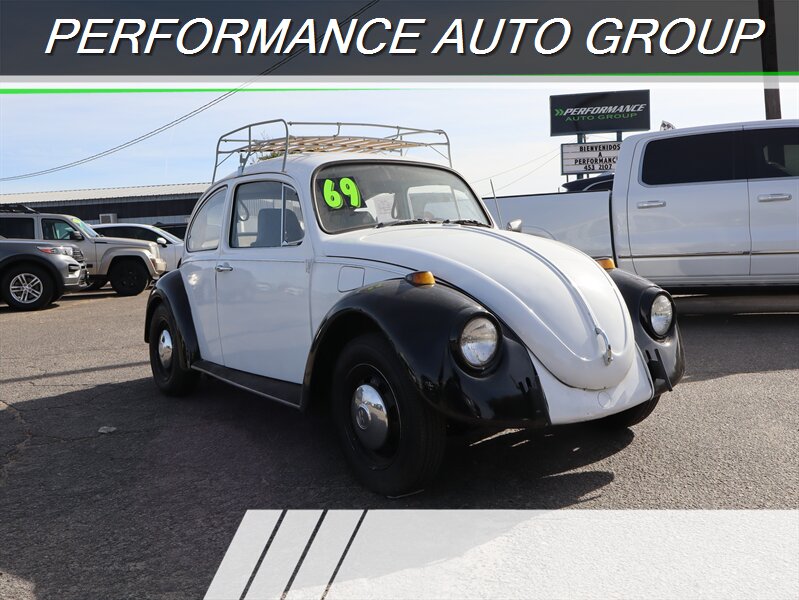
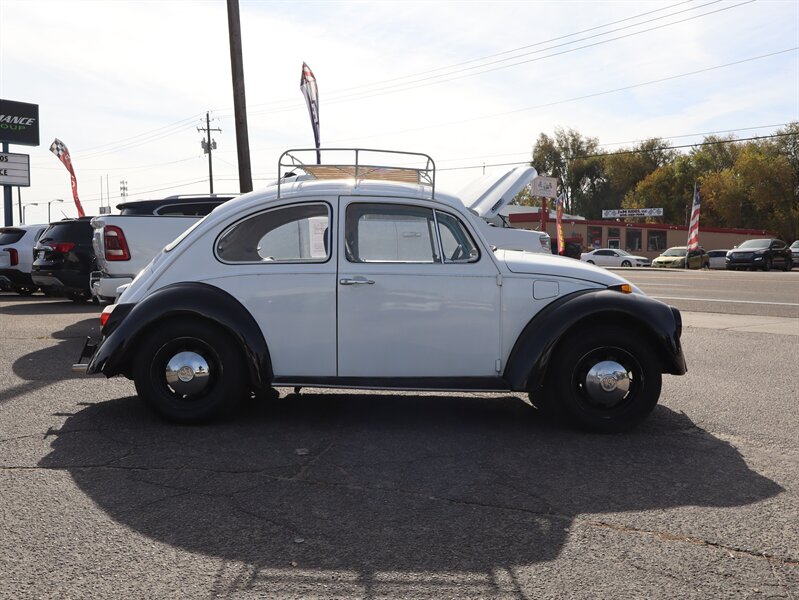
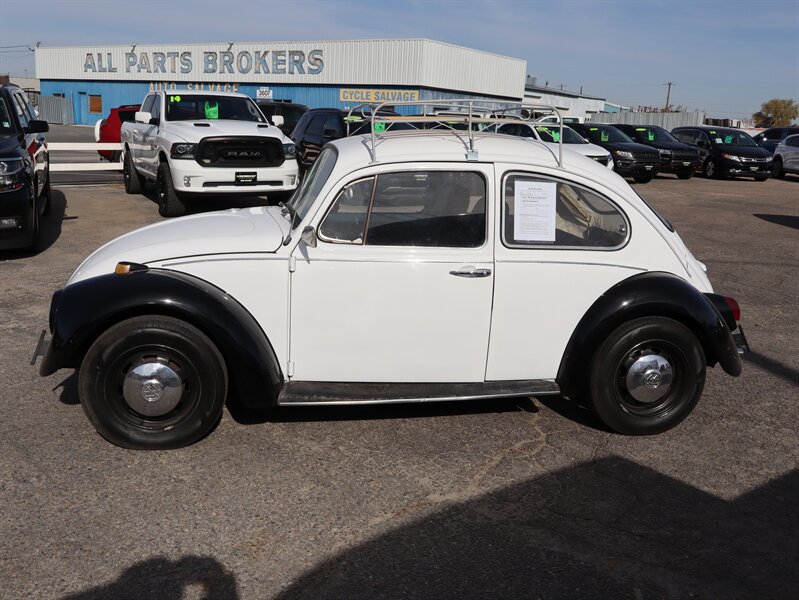
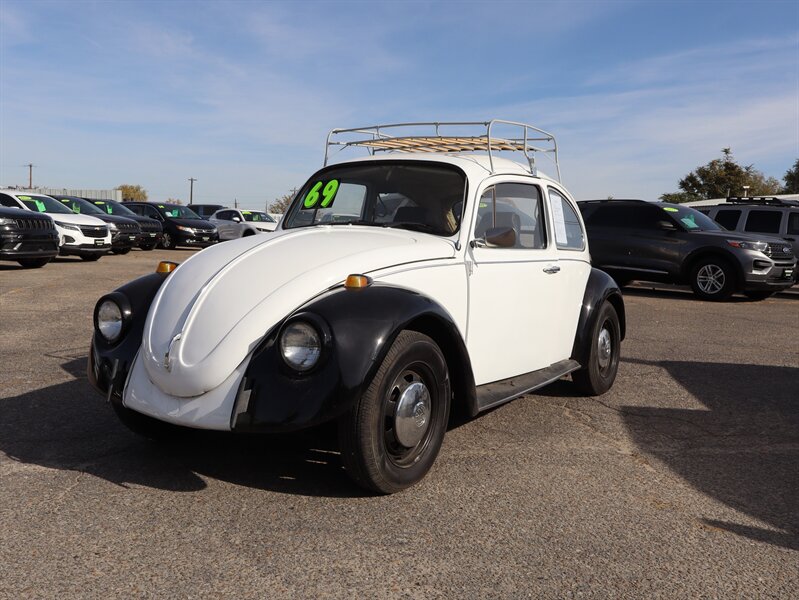
White Exterior
Interior Color
Black Interior
Drivetrain
Rear Wheel Drive
Vehicle Description
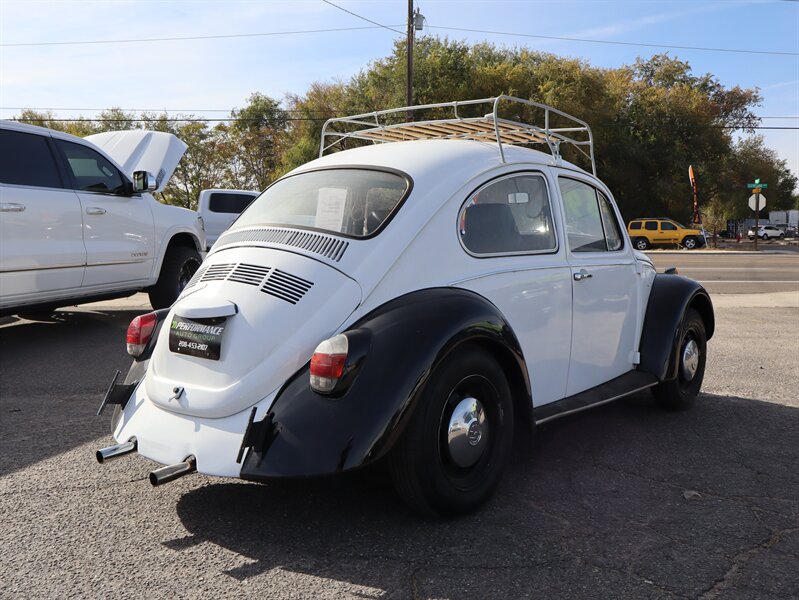
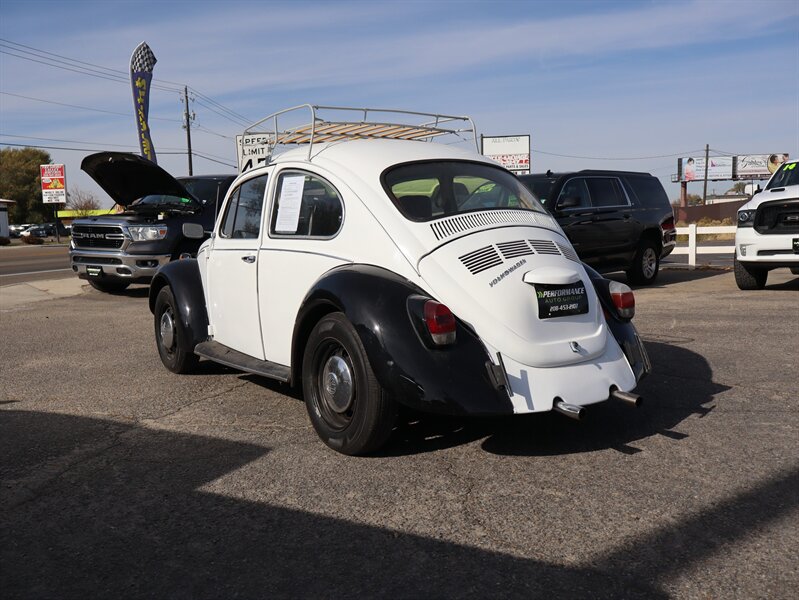
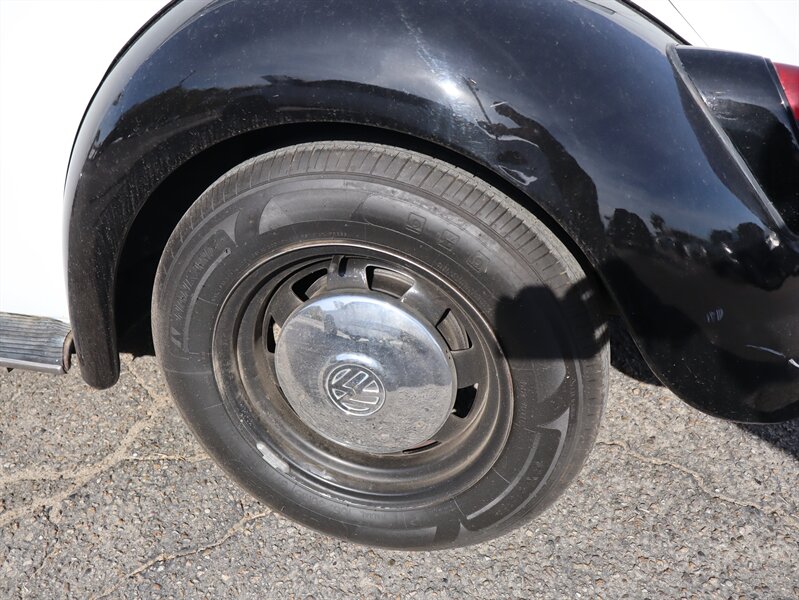
The 1969 Volkswagen Beetle is a classic example of automotive engineering that combines simplicity, durability, and distinctive design. Known worldwide as the “Bug” or “Beetle,” this model has become an icon in automotive history, renowned for its unique style and reliable performance. The 1969 version maintains the timeless attributes that have made the Beetle a beloved vehicle across generations, while incorporating some improvements that were progressive for its time. This particular 1969 Beetle, presented in excellent overall condition, retains the original factory features and exemplifies the robust build quality and functional design that Volkswagen is known for.
### Exterior Design and Features
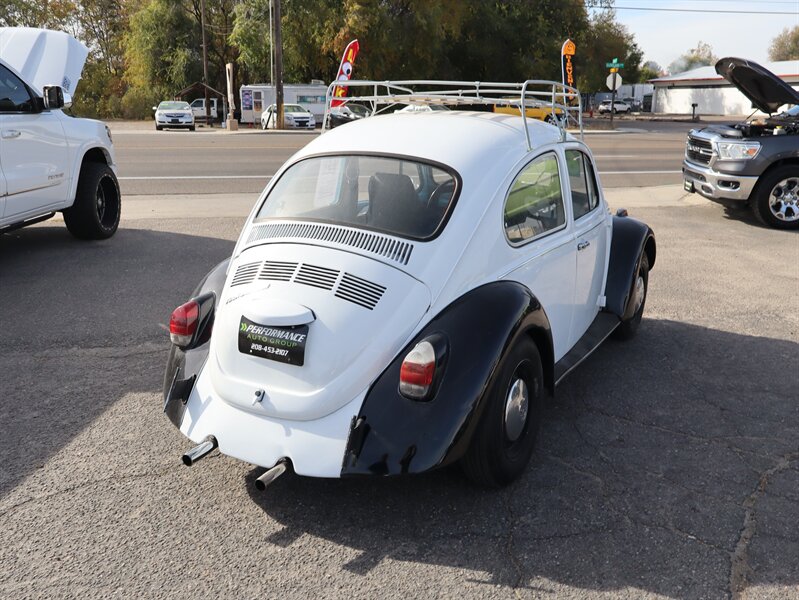
The 1969 Volkswagen Beetle features the classic rounded, compact body shape that defines the Beetle lineage. Its curvaceous exterior lines are both functional and aesthetically pleasing, designed to maximize interior space and improve aerodynamics. The overall length measures approximately 160 inches, with a width of 63.5 inches and a height of about 59 inches, making it a compact vehicle perfect for urban and suburban driving.
The body is constructed from steel panels with a solid, durable chassis underneath. This model generally exhibits well-preserved paintwork that might be available in a variety of factory colors including but not limited to Pastel Blue, Sand Beige, or Signal Red — all reflecting the vibrant and approachable style of the late 1960s. It is typical to find chrome trim accents on the bumpers, headlight rings, and window frames, adding a touch of refinement to the overall design.
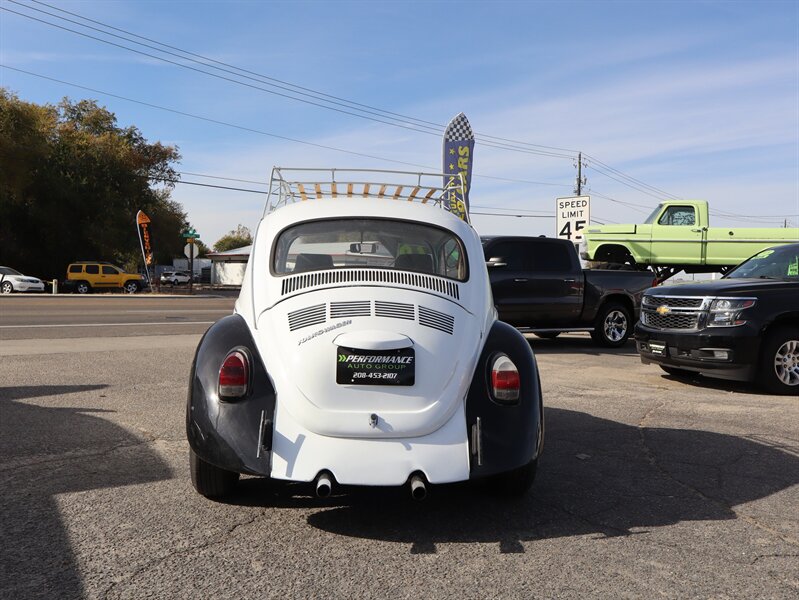
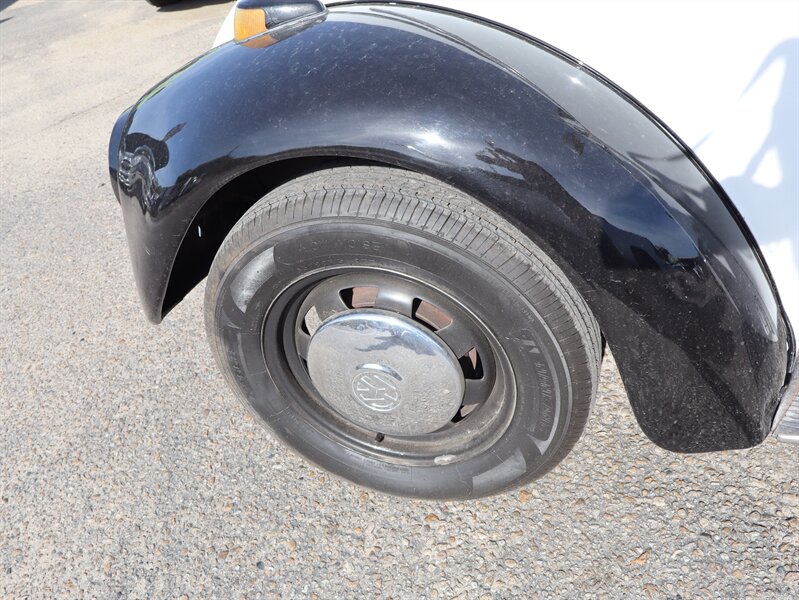
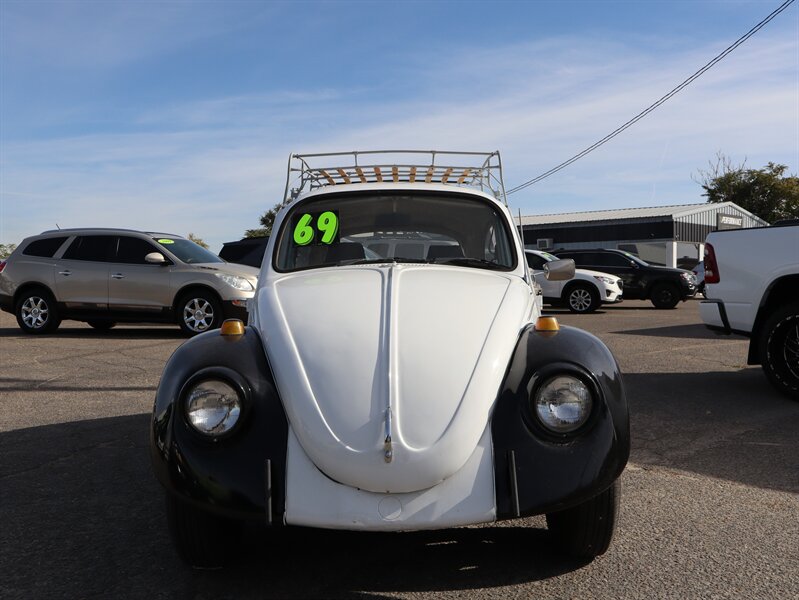
At the front, the Beetle features distinctive round, sealed-beam headlights with chrome surrounds. The turn signals are mounted on top of the front fenders, a design characteristic of this model year. The rear incorporates oval taillights — a signature design change introduced in earlier years, signaling the Beetle’s intermittent evolution without sacrificing classic appeal.
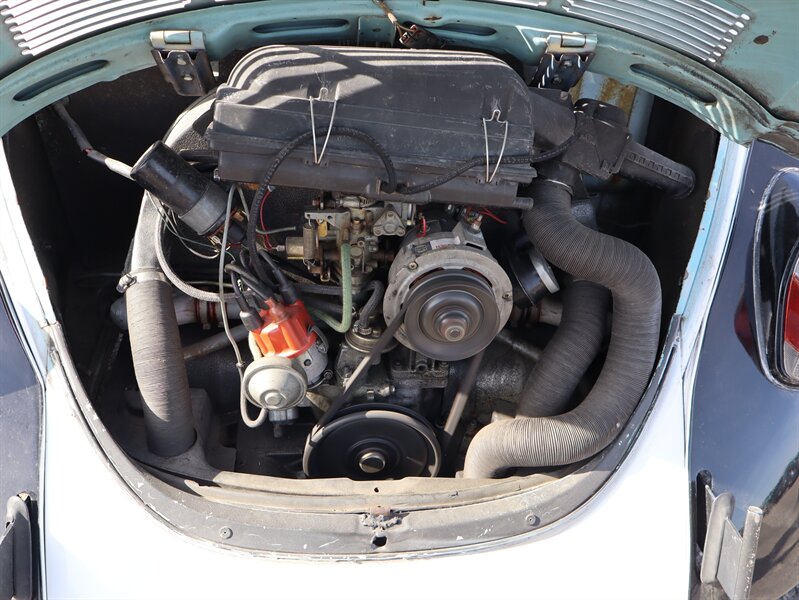
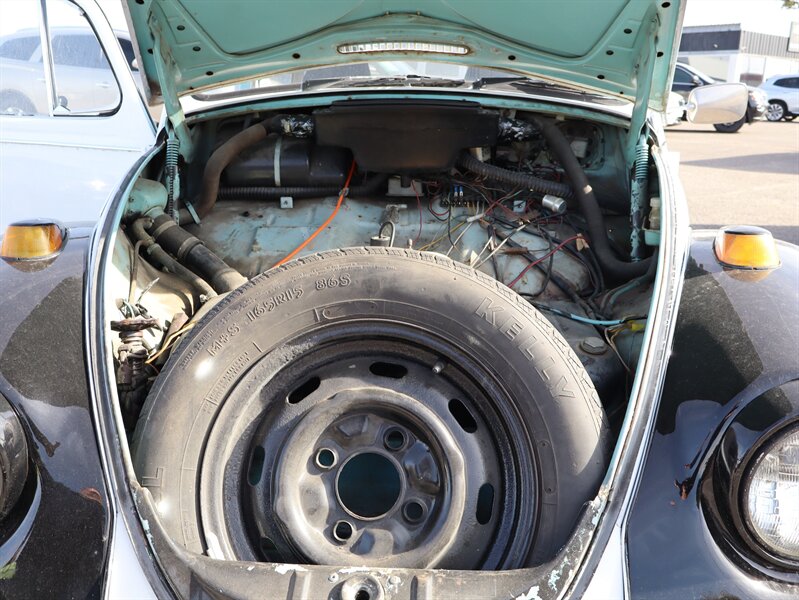
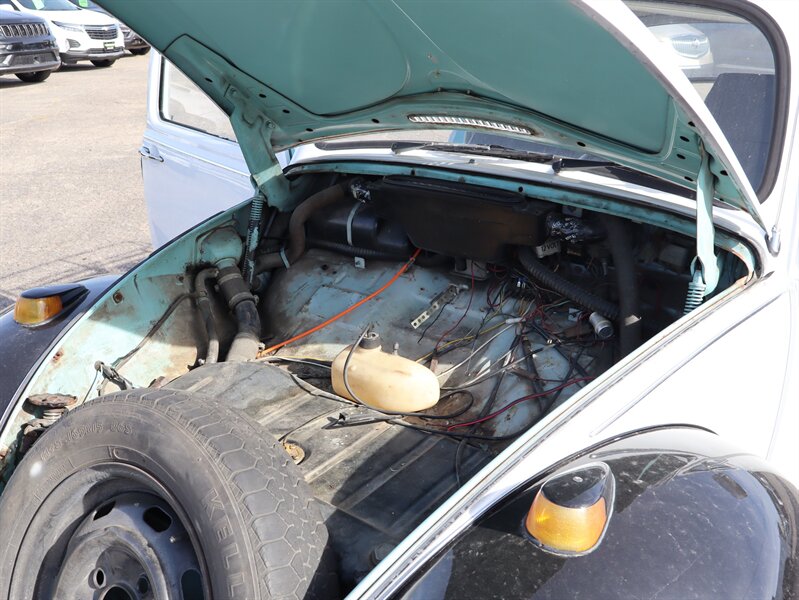
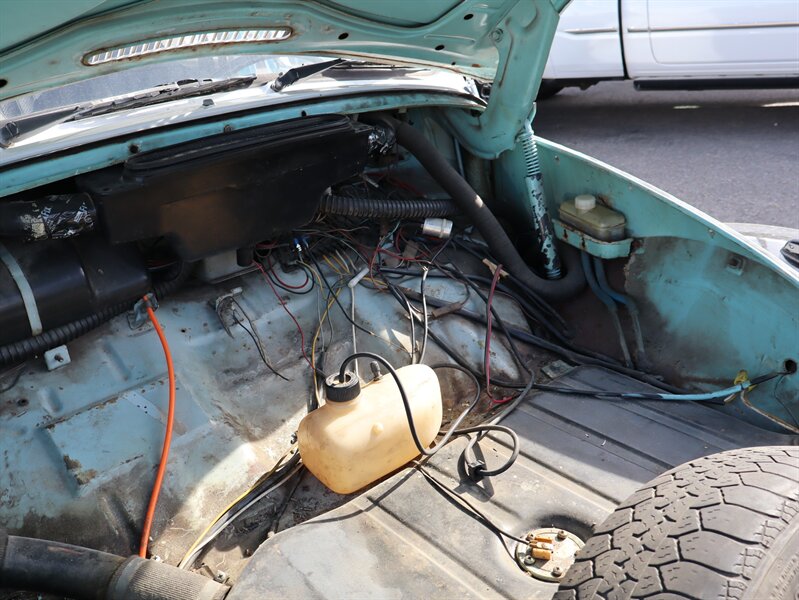
One of the defining physical traits of the Beetle is its rear-engine, rear-wheel-drive setup. The engine compartment is located in the rear, beneath the distinctive rear deck lid, while the front compartment serves as the trunk or “frunk.” This layout optimizes interior space and contributes positively to the vehicle’s balance and traction.
### Interior Features and Comfort
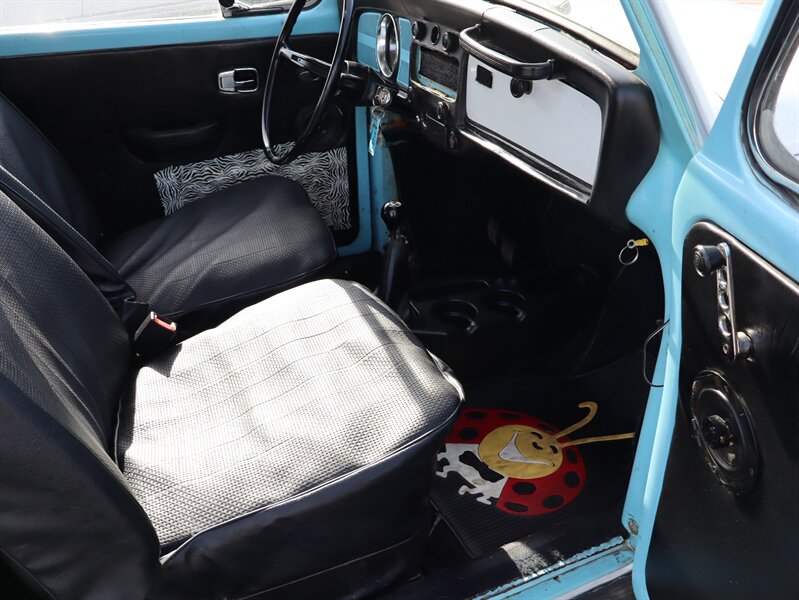
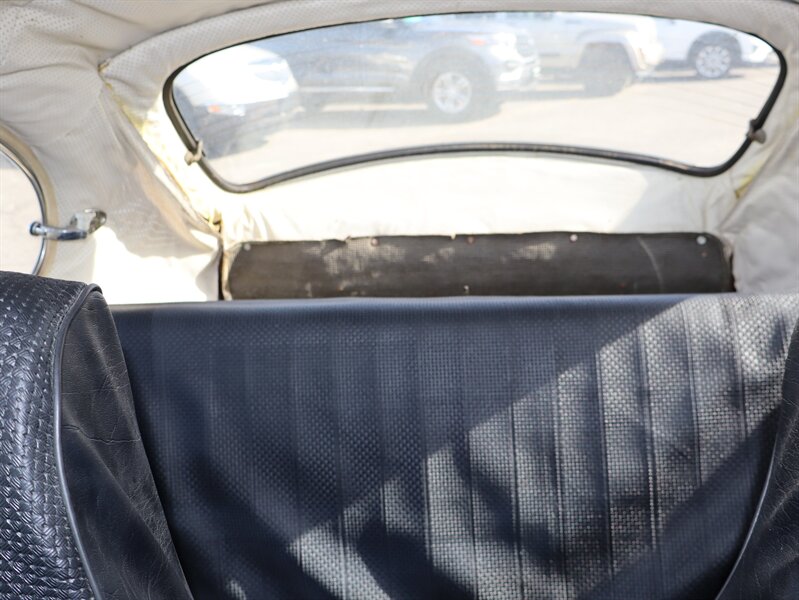
Inside the 1969 Volkswagen Beetle, simplicity and functionality dominate the design ethos. The cabin comfortably seats four occupants, with two front bucket seats and a rear bench seat. Upholstery materials at the factory were durable vinyl or cloth, often provided in coordinating colors corresponding to the exterior finish, producing a cohesive aesthetic theme.
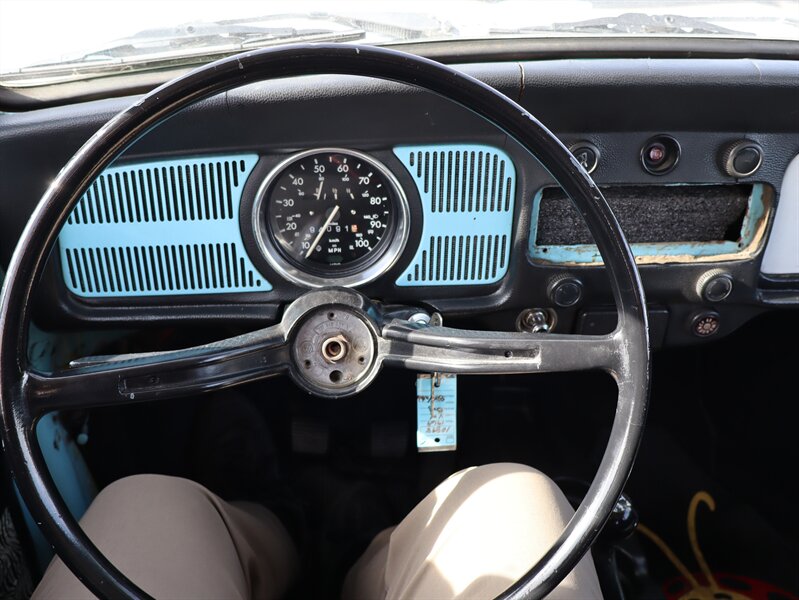
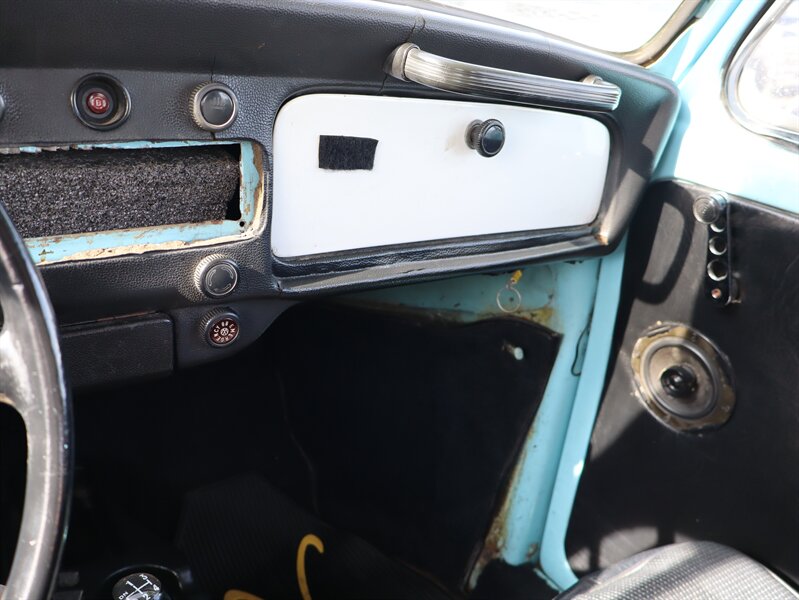
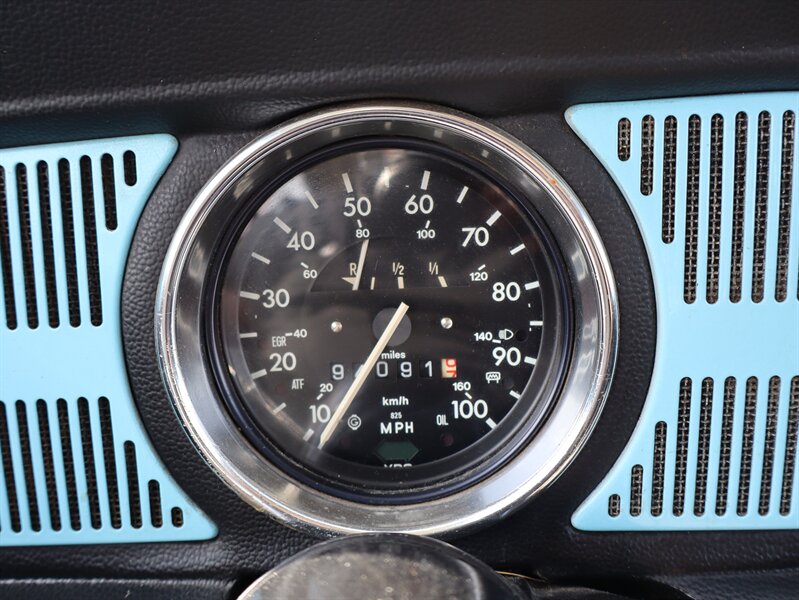
The dashboard maintains a straightforward and utilitarian appearance, featuring a centrally located speedometer with an integrated odometer and warning lights. Additional gauges such as fuel level and oil temperature indicators are clearly visible, enabling straightforward monitoring of essential vehicle functions. The dashboard incorporates a simple ventilation system with heater controls, which was a standard feature to ensure passenger comfort during cooler months.
The steering wheel is a large diameter, two-spoke design, equipped with a horn button prominently positioned in the center. Manual window cranks and door locks reflect the vehicle's era, while the simplicity of the controls contributes to ease of operation and maintenance.
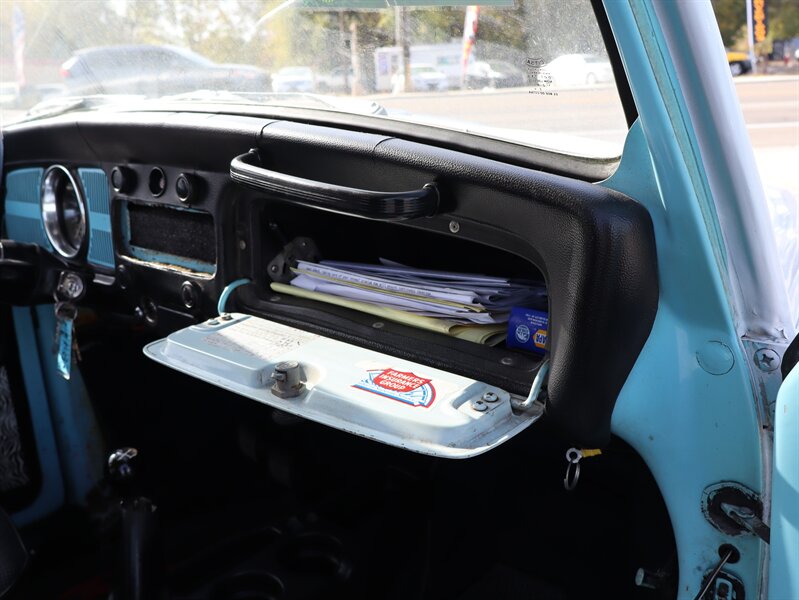
One noteworthy feature in the 1969 Beetle is the availability of a factory AM radio, offering basic entertainment for occupants. While limited by today’s standards, the radio was an appreciated convenience for the time. The interior also typically includes glovebox storage and door pockets, facilitating convenient storage for small items.
### Mechanical and Performance Specifications
Under the rear deck lid lies the iconic air-cooled flat-four engine, a hallmark of the Volkswagen Beetle lineage
Payment Calculator
%
%
Contact Information
Main Phone:
(208) 453-2107